Cutting-Edge Syringe Pump Devices Improving Laboratory Workflow Efficiency
Experiments often fail, but syringe pumps have revolutionised how laboratories manage fluid delivery by providing precise control over infusion and withdrawal rates. Researchers in biotechnology, chemistry, and pharmaceuticals rely on these devices to obtain reproducible results. Accuracy is crucial, and programmable settings enable continuous operation for hours without the need for supervision, ensuring that small errors do not compromise experiments.
Streamlined Laboratory Tasks with Programmable Controls
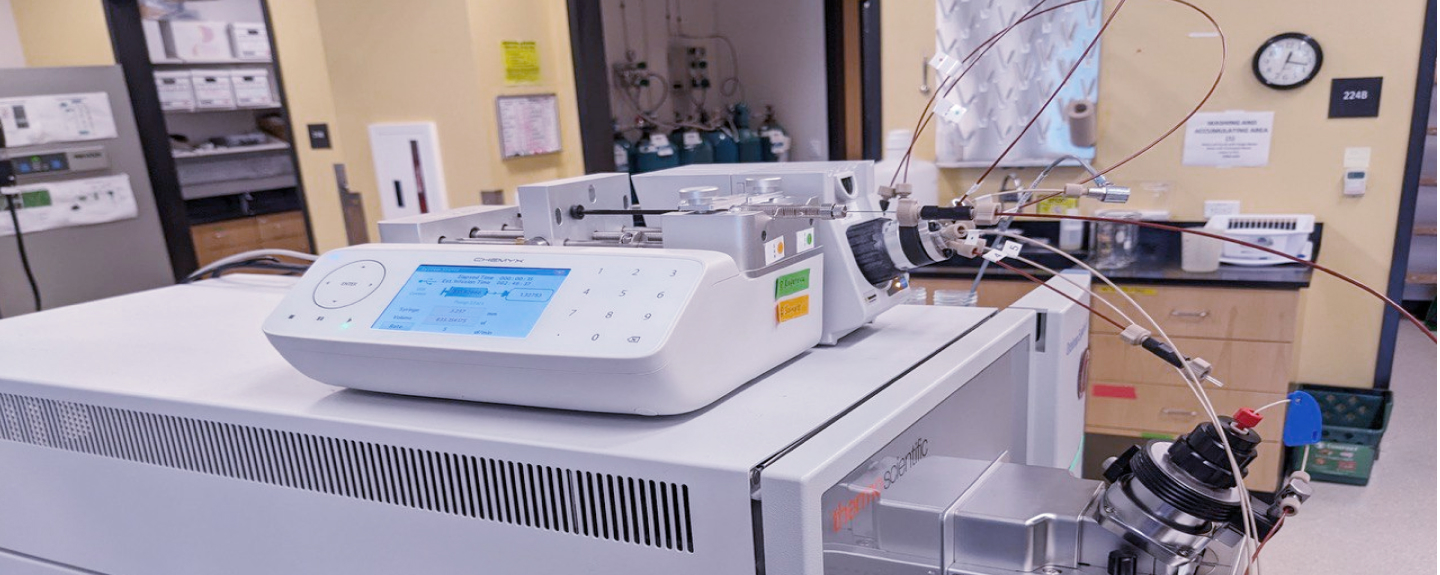
Modern syringe pump systems feature digital interfaces, adjustable flow rates, and programmable settings that simplify laboratory operations. These systems can run experiments automatically, reducing the need for constant monitoring, which saves time and minimises errors. Designed to be compact and quiet, they include safety features to prevent overpressure and sample spillage, protecting valuable reagents. These pumps offer reliable performance and can accommodate multiple syringe sizes while maintaining precise dosing.
Diverse Applications Across Industries
Syringe pumps are essential tools in medical, research, and industrial settings. They provide precise dosing for various applications, including chemical reactions, microfluidics studies, and controlled drug administration in hospitals. By ensuring consistent flow, they help prevent errors and enhance experimental outcomes, making them a life-saving technology. Their versatility allows their use in laboratories, clinics, and industrial facilities, where accuracy is critical.
Compact Design Enhances Laboratory Efficiency
The modern syringe pump is powerful yet compact, fitting easily into crowded labs without compromising performance. They are portable and operate quietly. With programmable settings, they can run extended experiments continuously. Their ability to integrate with automation systems helps reduce clutter and streamline workflows. This flexibility allows scientists to focus on analysis rather than manual monitoring. By combining a space-saving design with high performance, syringe pumps improve laboratory efficiency while ensuring precision and reliability in professional environments.
Automation Ensures Consistent Performance
Automation has enhanced the dependability of syringe pumps. Feedback sensors monitor flow rates and automatically adjust motor speed to maintain precise output, allowing long experiments to proceed without supervision and minimising human error. The critical accuracy offered by remote monitoring and data logging improves reproducibility and documentation, while advanced feedback systems help prevent mistakes.
Future Innovations Expand Syringe Pump Potential
The technology behind syringe pumps is advancing with the introduction of AI, IoT, and miniaturisation. Future models are expected to feature adaptive flow control, enhanced remote monitoring, and greater integration with automated laboratory systems. This innovation promises to create portable and connected devices that enhance workflow flexibility while ensuring accurate dosing. Industries such as pharmaceuticals, biotechnology, and medical research stand to gain from quicker, safer, and more precise fluid handling.
Conclusion
In conclusion, syringe pumps are vital tools for precise and efficient fluid handling in laboratories, hospitals, and industrial environments. Detailed information about advanced models is available at chemyx.com. These devices significantly reduce human error, improve workflow, and ensure reproducible results for sensitive experiments and clinical applications. The combination of automation, compact design, and innovative technology makes syringe pumps indispensable, providing reliable, accurate, and efficient solutions for laboratories and industries worldwide.


Comments
Post a Comment