Advanced Syringe Pump Systems Improving Precision Fluid Control in Research
Modern labs move fast, yet tiny details still matter a lot. A simple error in fluid flow can change a full test result. That is one reason many research teams now rely on a Syringe Pump for smooth, steady liquid flow. These systems help control very small amounts of fluid without sudden stops or uneven pressure. Researchers often work with sensitive samples, and careful flow control keeps every step stable. Some days the work feels simple, other days it gets messy. Still, reliable equipment helps people stay focused and calm during long hours inside busy labs.
Flow Control That Feels Easy
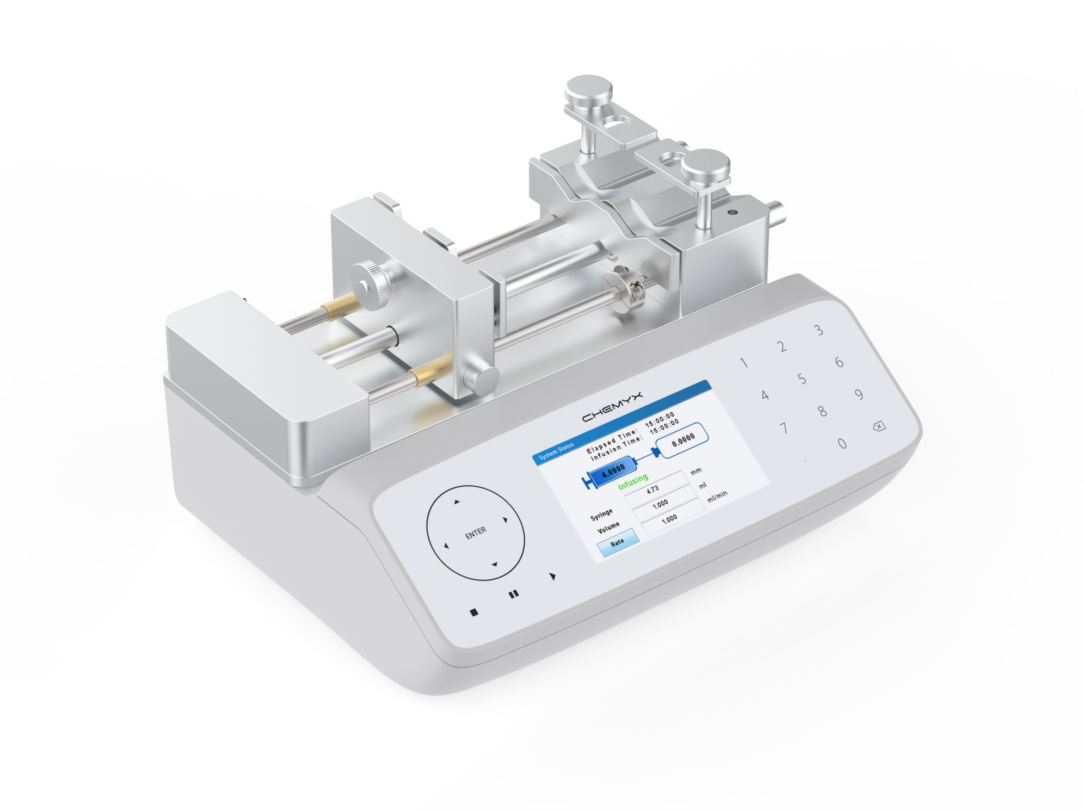
Good research tools should not feel hard to use. Scientists already deal with enough pressure during testing, data checks, and repeat trials. A well-designed pump system keeps things moving without extra stress. Many newer models now include touch screens, quiet motors, and simple controls that save time during setup. Small improvements matter more than people think. A stable flow can help reduce waste and protect delicate samples from damage. Even in small spaces, these compact systems fit neatly beside other lab tools while still offering strong and dependable performance every day.
Research Work Needs Accuracy
Many experiments rely on exact liquid movement from start to finish. A tiny change in flow may affect chemical balance, testing speed, or final readings. Because of this, labs often use a Syringe Pump to maintain smooth flow rates during long projects. Some tests run for hours without stopping, so stable delivery becomes very important. Researchers also prefer equipment that works quietly in the background without needing constant attention. It sounds small, maybe even boring at first, but steady fluid control often plays a major role in helping teams produce reliable scientific results.
New Technology Changing Lab Spaces
Research spaces are becoming increasingly advanced each year. Modern systems now connect with software that enables users to quickly adjust settings and clearly track performance. This not only saves time but also helps minimise manual errors during sensitive tasks. Some pumps even offer remote control capabilities, which can be particularly useful during lengthy projects that involve repeated testing steps. Today, laboratories seek equipment that operates quickly while remaining easy to understand; finding this balance is essential. Additionally, advanced flow systems ensure cleaner operations, smoother liquid transfers, and greater consistency across various experiments, helping teams feel more confident in their results.
Reliable Performance in Daily Testing
Daily lab work can become tiring when equipment fails or slows down important projects. Strong fluid systems help reduce delays and keep experiments moving with fewer interruptions. Researchers often need steady performance across many hours of testing, especially when handling sensitive materials or detailed chemical work. Good flow control creates cleaner results and improves repeatability during research. Small details like low vibration and quiet operation also improve the working environment inside busy labs. Over time, dependable equipment becomes more than just another tool because it helps teams work with greater comfort, focus, and accuracy each day.
Conclusion
Research work depends on accuracy, patience, and equipment that performs well under pressure. Fluid control systems continue to support important testing in medical labs, chemical studies, and many growing research fields. Better technology now allows smoother operation, easier controls, and more reliable performance during long experiments. These changes help researchers spend less time fixing problems and more time focusing on useful discoveries. Advanced pump systems will likely remain a key part of modern laboratories as science keeps moving forward. Many professionals continue exploring new solutions and useful resources through chemyx.com for ongoing laboratory support and innovation.


Comments
Post a Comment