Modern Syringe Pump Technology Supporting Reliable Chemical Transfer Tasks
Research labs depend on steady liquid movement during testing, mixing, and chemical transfer work. A small mistake in the flow can create larger problems later in the process. Because of this, many laboratories now rely on a Syringe Pump for smooth and accurate fluid handling. These systems help move liquids in controlled amounts without sudden pressure changes or uneven delivery. Some projects last for hours, sometimes longer, so stable performance matters every day. Researchers also prefer equipment that feels simple to manage because easy controls save time and reduce stress during busy testing sessions inside active laboratory spaces.
Smooth Operation Makes Work Easier
Modern laboratory equipment should help people work faster without adding confusion. New pump systems now include simple settings, quiet motors, and cleaner operation that support daily research tasks. Small details like smooth flow control can improve experiment quality and reduce wasted materials during testing. Some researchers handle delicate chemicals that need careful movement from beginning to end. Reliable systems also help reduce interruptions during long projects, which keeps work moving at a better pace. Over time, dependable fluid equipment becomes part of the normal workflow, quietly supporting important laboratory work without causing unnecessary trouble or delays.
Stable Transfer During Testing
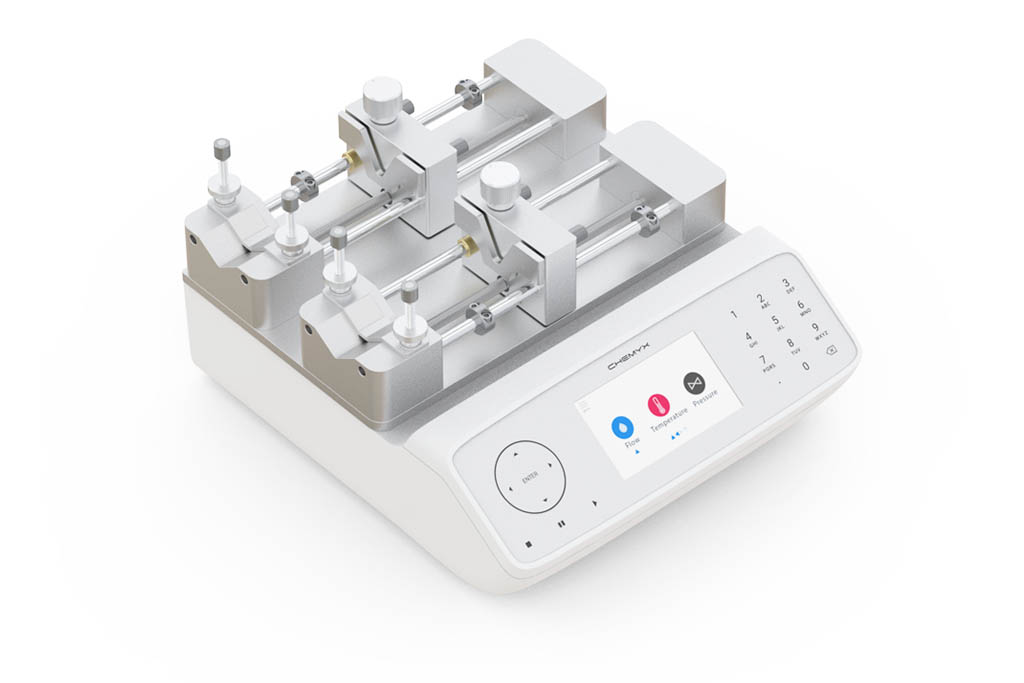
Many scientific projects require exact liquid delivery to keep results accurate from start to finish. A dependable Syringe Pump helps researchers manage chemical transfer tasks with smoother and more controlled fluid movement. This becomes very useful during sensitive experiments where even small flow changes may affect the outcome. Some days inside the lab feel rushed and noisy, though reliable systems still help maintain steady operation without constant adjustment. Better flow control also supports cleaner testing conditions and helps reduce repeated work caused by uneven liquid delivery. Consistency remains an important part of successful research and testing activities.
Technology Helping Research Grow
Laboratories continue changing as newer technology becomes easier to use and more flexible for different projects. Modern systems now support digital controls that allow quick adjustments during testing without slowing work. Some equipment can store settings for repeated experiments, which saves time and improves accuracy during long tasks. Compact designs also help labs organise workspaces more efficiently without losing performance. Quiet operation has become another helpful feature because researchers often work for long hours in focused environments. These improvements may seem small at first, yet they continue making daily laboratory work smoother, simpler, and more dependable across many industries.
Reliable Equipment Builds Confidence
Researchers often work under pressure while handling valuable samples and important experiments. Strong fluid handling systems help reduce mistakes and support more stable testing conditions throughout the day. Reliable performance also improves confidence because scientists can focus more on research instead of equipment problems. Better chemical transfer systems create smoother workflows and help maintain steady liquid delivery during repeated testing sessions. Good equipment does not always need flashy features to become useful. Sometimes, simple operation, steady performance, and dependable results matter most in busy laboratories where accuracy and timing remain important parts of successful research work every single day.
Conclusion
Modern laboratories continue to depend on reliable fluid handling systems for safer and more accurate chemical transfer work. Stable liquid movement helps researchers complete experiments with fewer interruptions and cleaner results during long testing sessions. Many professionals also explore useful laboratory tools and research support through chemyx.com while looking for better ways to improve daily workflows. As technology keeps growing, fluid control systems are becoming easier to manage and more dependable for different scientific tasks. Strong performance, smooth operation, and accurate flow delivery will remain valuable as laboratories continue advancing across medical, chemical, and industrial research environments around the world.


Comments
Post a Comment