Manage high viscosity fluids with a syringe pump and a tough syringe pump
Handling highly viscous materials—such as thick polymer solutions, heavy oils, cosmetics, or dense tars—presents major engineering challenges for fluidics setups. As fluid thickness increases, the resistance to movement within narrow tubes and small needles rises exponentially. This resistance generates massive hydraulic backpressure that can stall standard laboratory equipment.
Successfully processing these challenging materials requires a deep understanding of fluid mechanics, high-torque linear drive mechanics, and rugged hardware configurations.
Fluid Mechanics and the Reality of High Flow Resistance
To effectively manage thick fluids, you must understand how fluid thickness affects your physical tubing and dispensing setup.
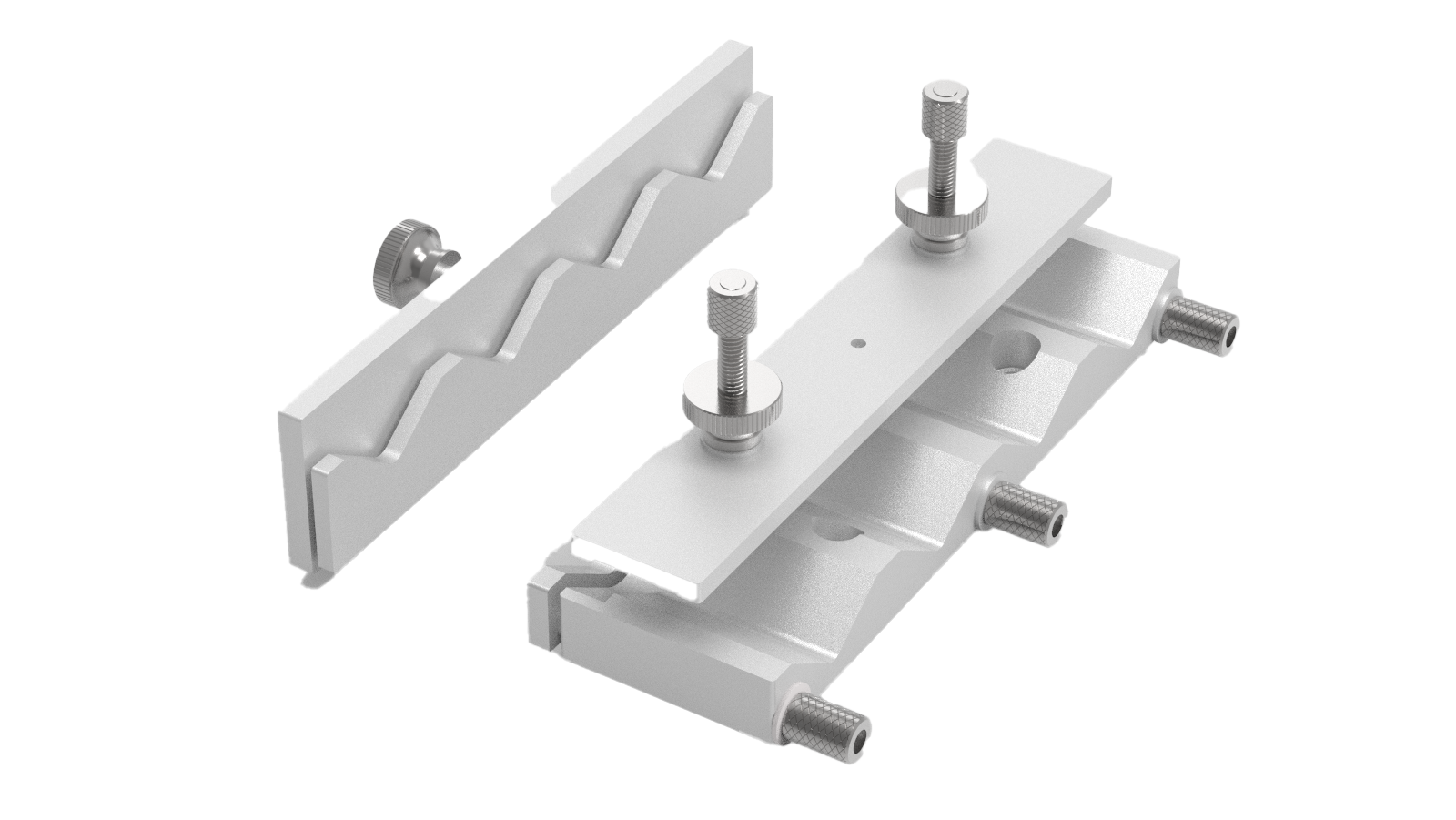
The Exponential Rise of Backpressure
According to fluid dynamics, the pressure drop ($\Delta P$) across a section of circular tubing during steady movement is directly proportional to both the fluid's viscosity and its flow velocity. This relationship is described by the Hagen-Poiseuille equation. $$\Delta P = \frac {8 \mu L Q} {\pi R^4} $$
Where $\mu$ is the fluid viscosity, $L$ is the length of the tubing, $Q$ is the volumetric flow rate, and $R$ is the inner radius of the tubing. The radius is raised to the fourth power, meaning that cutting the tube diameter in half increase’s fluid resistance by a factor of sixteen. When working with thick materials, even a small reduction in tube or needle size will cause system pressure to spike rapidly.
Non-Newtonian Material Dynamics
Many high-viscosity fluids do not behave consistently. Polymer gels and emulsions often display non-Newtonian, shear-thinning behaviour, meaning their viscosity drops as flow speed increases. Conversely, other mixtures can experience shear-thickening, where they become firmer under sudden force. Maintaining a steady, controlled flow through these changing states requires a high-torque motor that can adjust to fluctuating resistance without missing a step.
Hardware Configurations for Demanding Material Processing
Standard laboratory equipment is simply not built to handle the intense physical forces generated by thick fluid processing. A specialised, heavy-duty setup is required.
High-Torque Motors and Reinforced Mechanics
When a standard syringe pump encounters a thick fluid, the stepper motor often reaches its physical limit, resulting in skipped steps or a complete system stall. Managing these fluids requires a heavy-duty system equipped with a high-torque motor and a reinforced steel lead screw. These industrial-grade drives can generate hundreds of pounds of continuous linear force ($>200\text{lbs}$), providing the necessary power to push thick fluids through restrictive lines smoothly and reliably.
Rugged Metal Syringes and Secure Fittings
Standard plastic or glass syringes are highly vulnerable to failure under the extreme pressures generated by thick fluids. Plastic barrels flex and expand, which absorbs motor movement and ruins volumetric accuracy. Glass barrels can crack or shatter entirely when pressure spikes.
To ensure safety and accuracy, high-viscosity applications pair a tough syringe pump with heavy-walled stainless-steel syringes. These rugged metal cylinders easily withstand pressures over $1,000\text{psi}$, and they utilise swaged, threaded metal fittings (like Swagelok) to prevent lines from blowing out during critical operations.
Practical Tips for Optimising High-Viscosity Setups
Beyond upgrading your primary hardware, fine-tuning your fluid path layout can significantly reduce system stress and improve performance.
· Maximise Line Diameters: Always select the largest practical inner diameter for your tubing, connectors, and needles to minimise flow resistance.
· Shorten the Fluid Path: Keep your tubing lines as short as possible to reduce the total surface area causing friction against the thick fluid.
· Apply Controlled Heat: Many thick fluids, such as heavy oils or polymers, become significantly thinner when heated. Using inline heating sleeves or temperature-controlled syringe blankets lowers fluid resistance, protecting your hardware and improving flow consistency.
Conclusion
Successfully moving high-viscosity fluids requires hardware built to handle intense physical forces, combined with a fluid path designed to minimise flow resistance. By pairing high-torque linear drives with rugged stainless-steel syringes, you can process demanding materials with absolute precision. To find advanced, high-force fluidics hardware engineered for challenging materials and industrial workflows, explore the rugged high-pressure instrumentation available at chemyx.com.


Comments
Post a Comment